
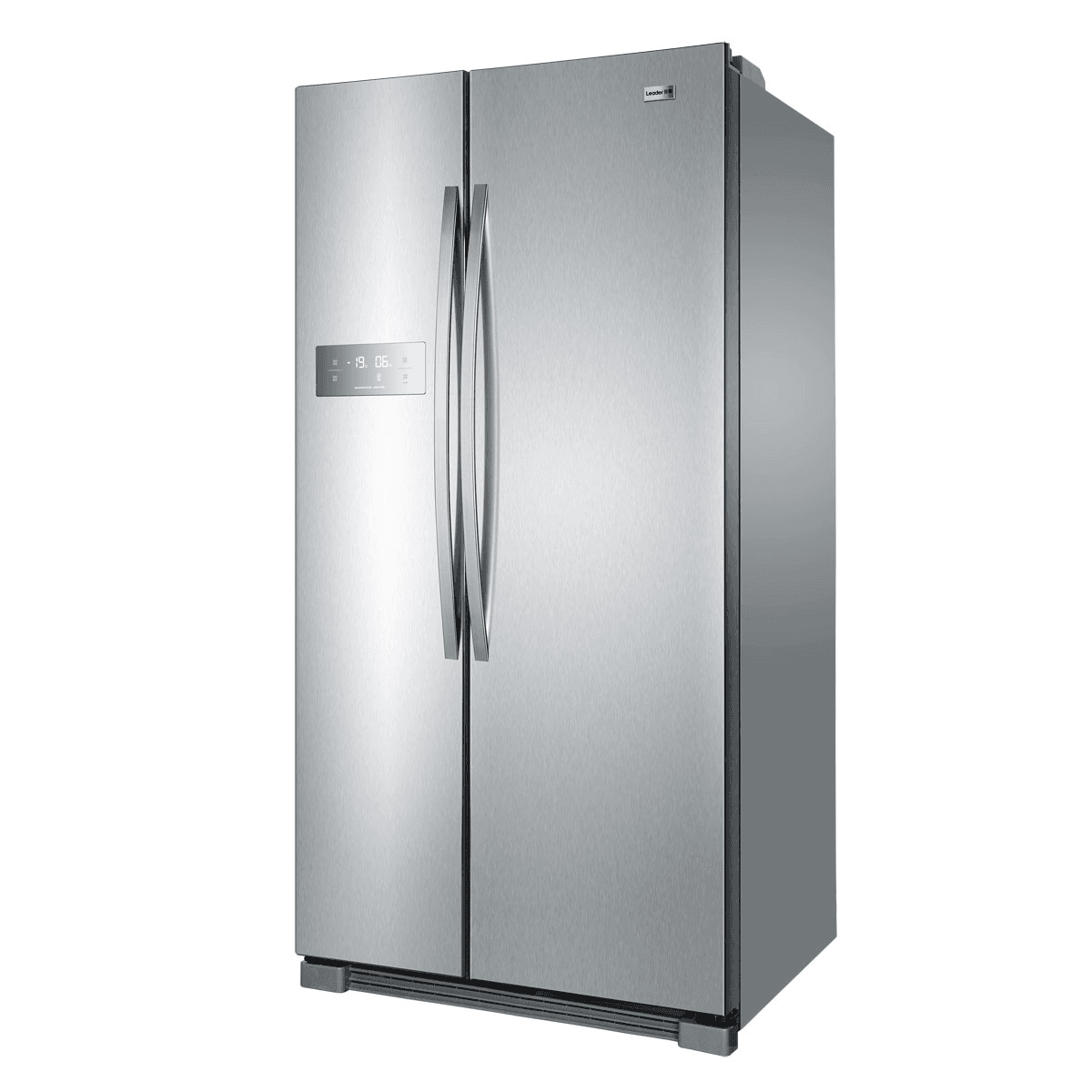
QH-8346 Appliance Cold Chain
QH-8346 High-Flame-Retardant Rigid Foam Polyether for Refrigerator and Cold Chain (Suitable for High-End Refrigerators and Cold Chain Boxes)
1. Description
This product is a high-end rigid foam polyether polyol for refrigerator and cold chain insulation, using sorbitol and amines as initiators, added with special flame-retardant additives, environmental protection plasticizers, adhesion promoters and anti-aging agents. It is a light yellow viscous liquid, non-toxic, odorless, and meets the EU ROHS and REACH environmental protection standards. It has excellent flame retardancy (GB 8624-2012 Class B1), high closed-cell rate (≥92%), strong bonding force with various refrigerator and cold chain box substrates (ABS, PP, aluminum alloy, FRP), and good water resistance, corrosion resistance and low-temperature stability. Its high functionality ensures excellent dimensional stability of the foamed insulation layer, which is suitable for high-end household refrigerators, commercial refrigerators and cold chain transportation boxes with high fire protection, high durability and long service life requirements.
2. Specification
| Item | Index | Test Method |
| Appearance (25℃) | Light yellow viscous liquid, no mechanical impurities | Visual inspection |
| Hydroxyl Value (mgKOH/g) | 400-450 | GB/T 12008.3-2009 |
| Viscosity (25℃, mPa·s) | 2200-3000 | GB/T 12008.7-2010 |
| Moisture (%) | ≤0.15 | GB/T 12008.6-2010 |
| Acid Value (mgKOH/g) | ≤0.10 | GB/T 12008.5-2010 |
| Functionality | 5-6 | Chemical titration |
| Foaming Density (kg/m³) | 40-50 | GB/T 6343-2009 |
| Flame Retardant Grade | Class B1 (Flame-Retardant) | GB 8624-2012 |
| Closed-Cell Rate (%) | ≥92 | GB/T 10802-2006 |
| Bonding Strength (to Aluminum Alloy, kPa) | ≥190 | GB/T 8813-2021 |
| Operating Temperature Range (℃) | -60~80 | Simulated working condition test |
3. Application
Core application scenarios:
- High-End Household Refrigerators: Insulation of high-end smart refrigerators, embedded refrigerators and large-capacity freezers, with excellent flame retardancy and thermal insulation performance, meeting high-end home appliance safety and energy-saving requirements.
- Commercial Refrigeration Equipment: Insulation of commercial display cabinets, cold storage rooms and catering refrigerators, with good corrosion resistance and durability, adapting to long-term continuous operation in commercial environments.
- Cold Chain Transportation Boxes: Insulation of portable cold chain boxes, medical cold chain boxes and food cold chain turnover boxes, ensuring stable low temperature during transportation, preventing goods from spoiling, and adapting to long-distance transportation needs.
- Extended Applications: Insulation of refrigeration equipment in special fields, such as laboratory low-temperature refrigerators and medical refrigerators, meeting the special performance requirements of the industry.
- Construction Instructions: Mix with special flame-retardant isocyanate at 1:1 (25℃), suitable for factory prefabrication and on-site foaming of cold chain boxes. For cold chain box construction, ensure uniform foaming and seamless fit with the box body; for refrigerator prefabrication, strictly control the foaming time and mold temperature. Construction temperature: 15~35℃, humidity <70%; comply with GB 50264-2013 and GB 8624-2012; strengthen fire prevention measures during construction.
4. Storage
- Storage Environment: Special cool and dry warehouse (5-30℃), away from fire, heat sources and direct sunlight, equipped with complete fire-fighting and explosion-proof facilities, and isolated from flammable and explosive materials.
- Packaging: 200L corrosion-resistant sealed drums, marked with "Flame-Retardant", "Refrigerator & Cold Chain Special", "Environmental Protection" warnings and product information, and attached with safety data sheet (SDS).
- Shelf Life: 6 months; after expiration, it is necessary to re-test flame retardancy, hydroxyl value, bonding strength and closed-cell rate, and it can be used only after passing the test.
- Transportation: Use dangerous goods qualified vehicles, avoid high temperature and sun exposure, do not mix with flammables, oxidants and acids, and comply with national transportation regulations; take shockproof and anti-leakage measures.
- Others: Operators must wear protective equipment (gloves, goggles, masks); if it splashes into eyes, rinse with plenty of water for more than 15 minutes and seek medical advice in time; waste materials and packaging drums must be disposed of in accordance with environmental protection regulations and fire safety requirements.
Interested in this product?
Get in touch for more information, pricing, or custom requirements.