
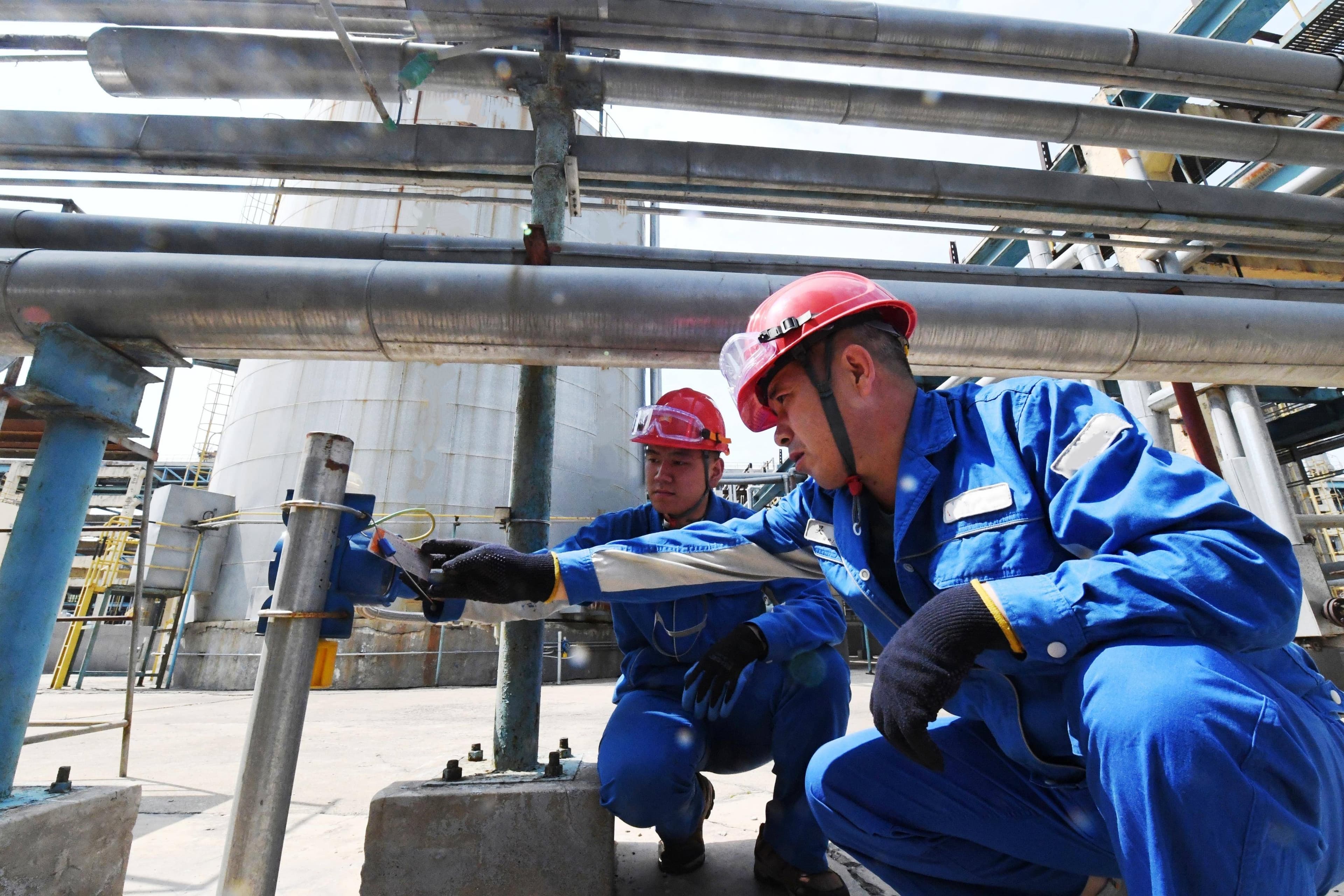
押出ベースの熱可塑性ポリウレタン積層造形における重要な課題の克服:持続可能なROIを実現するコスト削減戦略
熱可塑性ポリウレタン積層造形の高まる重要性とビジネスを阻む課題
世界のポリウレタン市場は、自動車・医療・産業分野における押出ベースの熱可塑性ポリウレタン(TPU)積層造形(AM)需要の急増により、2030年までに7552億6000万ドルに達すると予測されています(ポリウレタン市場規模・シェア・成長率レポートによる)。しかしこの成長にもかかわらず、根本的な課題は解決されていません。2024年10月のエンジニアリング・マニュファクチャリング調査では、流動性の不安定さや層間接着性の低さといった押出特有の課題が指摘され、2025年KRPDSルワンプラ研究では材料ロスやダウンタイムを含むコスト障壁、TPU-ポリマー複合材料の分散性と相溶性の複雑さが強調されています。これらの課題が投資利益率(ROI)を低下させているため、TPU AM事業の持続可能な成長には的を絞った解決策が不可欠です。
押出ベースTPU積層造形の成功を阻む主要課題
TPU AMの成功には3つの核心的な課題が立ちはだかっています。第一に、押出関連の性能ギャップ:2024年の押出特化研究では、TPUのレオロジー特性が流動性の不安定さ、弱い層間接着、寸法精度の低下を引き起こし、部品品質と生産歩留まりを低下させることが詳細に報告されています。第二に、コスト超過と拡張性の障壁:2025年KRPDSルワンプラ研究では、TPU AM事業者の60%が材料費などの直接コストと後処理・ダウンタイムなどの間接コストの高さに直面し、スケールアップを阻害していることが判明しました。第三に、ポリマー複合材料AMのばらつき:ポリマー複合材料の積層造形に関する研究レビューでは、TPU複合材料の分散性と界面相溶性に関する課題が強調され、高性能アプリケーションの可能性を制限していることが指摘されています。
TPU積層造形の未来を形作る業界トレンド
業界トレンドはこれらの課題解決に向けたシフトを示しています。包括的な積層造形レビューでは、TPU AMの課題を対象とした研究が703%増加したことが報告され、解決策への緊急需要が示されています。一方、2025-2034年ポリウレタン市場成長レポートでは、軽量でカスタマイズ可能な部品需要の急増により、押出ベースTPU AMが市場成長の主要推進力と位置付けられています。コスト最適化は戦略的優先事項であり続けており、2025年KRPDSルワンプラ調査ではTPU AM事業者の72%がコスト削減とROI改善を最優先目標としていることが明らかになり、財務効率が競争力の鍵であることが証明されています。
TPU AMにおける押出・コスト・複合材料課題に対処する的を絞った解決策
的を絞った解決策が各課題に正面から取り組んでいます。押出性能については、特殊PU添加剤が流動性の不一致を修正し、層間接着性を向上させ、寸法精度を改善することで、2024年研究結果を直接解決します。コスト削減については、添加剤強化TPU材料が廃棄物を最小化し、後処理時間とダウンタイムを削減することで、2025年のコスト削減目標に沿った対応が可能です。複合材料のばらつきについては、カスタム添加剤がTPU-ポリマー複合材料の分散性と界面相溶性を改善し、ばらつきを低減して高性能ユースケースを拡大します。
実証データ:最適化されたTPU AMソリューションのROI効果
これらのソリューションのROIは研究によって裏付けられています。包括的な積層造形レビューでは、TPU AM課題に対して的を絞った材料ソリューションを導入した事業で報告されたROIが703%増加したことが記録されています。ROI以外にも、最適化されたプロセスは企業が2030年までに予測される7552億6000万ドルの世界ポリウレタン市場でより大きなシェアを獲得する態勢を整えます。長期的には、2025-2034年ポリウレタン市場成長レポートが、TPU AMに特化した企業は従来型の競合他社よりも年間収益成長率で15%上回ると予測しており、この優位性は時間とともに拡大します。
TPU AM事業のROIポテンシャルを解放する方法
TPU AMのROIを解放する準備はできていますか?まずは無料の事業監査から始めましょう。押出一貫性、材料ロス、複合材料性能などの優先課題を特定する現行プロセスの無義務評価です。次に、押出ベースTPU AMを理解するPU添加剤専門家と協力し、あなたの課題に合わせたカスタマイズ材料ソリューションを開発します。最後に、事業目標について話し合い、個別の推奨事項を受け取り、的を絞った添加剤がどのようにコスト削減とROI向上に寄与するかを探るためのパーソナライズドコンサルテーションをリクエストしてください。
TPU AM事業を最適化し持続可能なROIを解放する第一歩を踏み出すには、今すぐお問い合わせページをご覧ください。
関連ニュース
こちらのニュースもおすすめです
押出ベースの熱可塑性ポリウレタン添加製造における主要な課題を克服し、ROIを高める
圧出ベースのTPU添加製造の課題 - 不一致な印刷や高コストなど - を克服する方法を発見して,戦略的なPU添加物を使用してROIを高め,PU市場の成長を捕捉し,拡大するAM景観で競争力を維持します.
熱可塑性ポリウレタン添加製造における挤出とコスト障壁の克服:スケーラブルなROIを促進するPU添加物の役割
PU添加物は,TPU添加製造における挤出とコストの障壁を解決し,スケーラブルなROIを推進します.2024〜2025年の研究に基づいて、廃棄物を25〜30%削減し、755億ドルのポリウレタン市場の成長を捕捉する方法を学びます。
Want to know more?
Get in touch with us for more information about our services and products.