
I. 製品概要
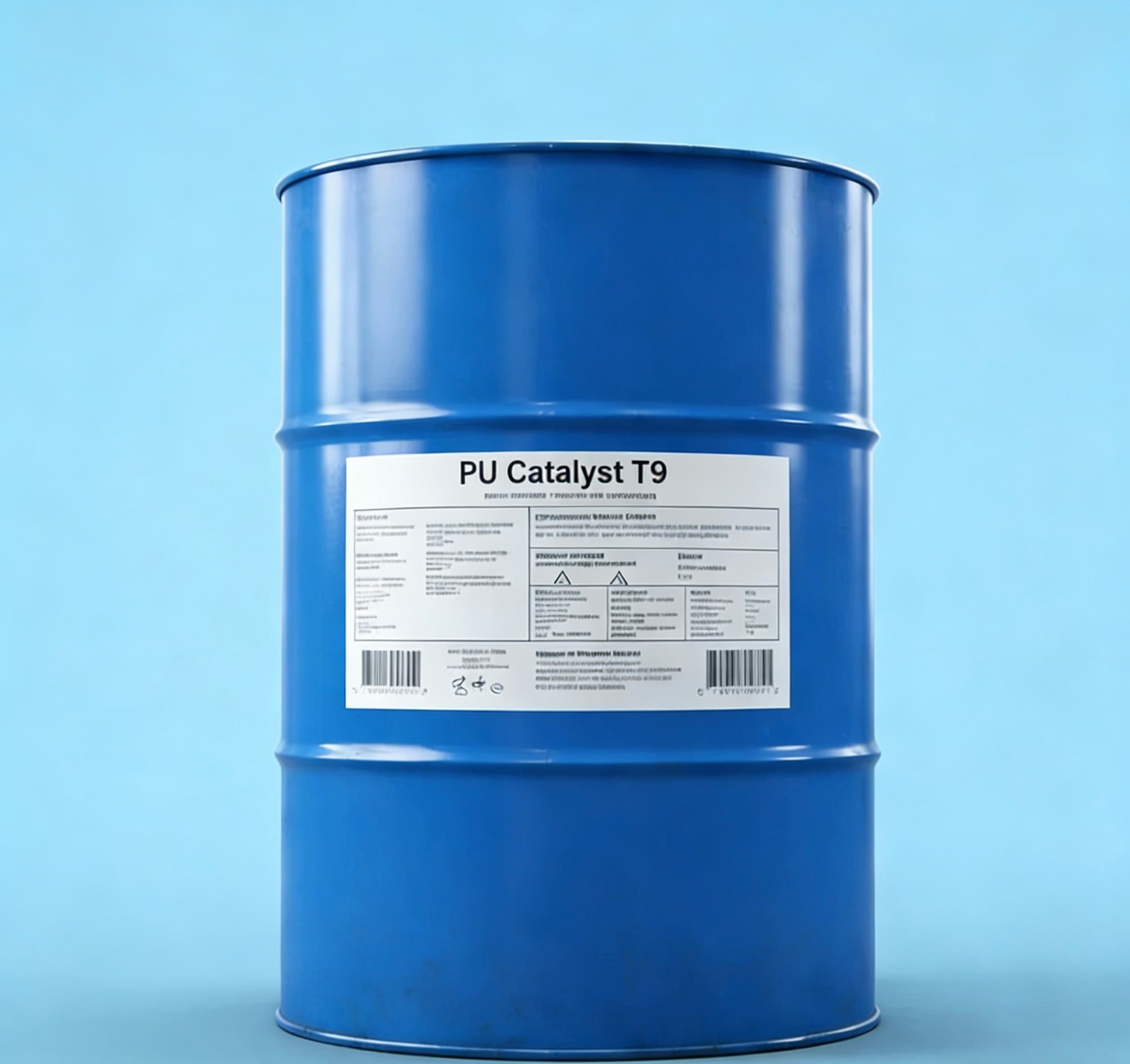
オクチン酸スズ(II)(CAS: 301-10-0、商品名T-9)は、重合反応の精密制御のために設計された高品質有機スズ系触媒です。二価スズ化合物として、触媒活性と内在的な耐老化性を独自に組み合わせており、反応後は四価スズに酸化されて最終製品の劣化を防止します。低粘度、高スズ含有量、多様な樹脂システムとの相溶性を特徴とし、フレキシブルフォームから航空宇宙級エポキシまで幅広い産業分野の基盤材料として活用されています。
II. 主要パラメーター一覧
| 指標 | 規格 | 産業的重要性 |
|---|---|---|
| 外観 | 淡黄色透明液体 | 均一な混合を保証、配合物中の相分離なし |
| 屈折率(20℃) | 1.490–1.500 | 化学的純度を検証、偏差は不純物を示唆 |
| 密度(20°C, g/cm³) | 1.23–1.27 | 自動生産ラインでの正確な投与量に必須 |
| 粘度(25°C, mPa·s) | ≤380 | ポンプ輸送/混合を容易化、樹脂中の気泡封入防止 |
| スズ(II)含有量(%) | ≥27.25 | 活性触媒種の直接指標、高値は効率向上 |
| 総スズ含有量(%) | ≥28 | 無機スズ不純物の最小化を確認(長期安定性影響) |
| 包装 | 25kgプラスチックドラム | 大規模操業向け工業用バルク包装 |
III. 応用分野と作用機序
T-9の多機能性は、三重の主要産業分野で最適化された性能を発揮する二重機能化学に由来します:
A. ポリウレタンフォーム&エラストマー
PUシステムにおいて、T-9はイソシアネート-水(発泡)反応とイソシアネート-ポリオール(ゲル化)反応の両方を促進します。一価スズ触媒と異なり、二価構造が制御された反応性を提供——過硬化を防止しつつフォームの均一な気泡構造を保証します。発泡後、T-9は四価スズに酸化され、内部耐老化剤として熱安定性と曲げ疲労抵抗性を向上させます。ジブチルスズジラウレート(DBTL)と混合すると相乗効果が発現:硬化時間が15–25%短縮され、機械的特性(引張強度、伸び)が10–18%向上します。
B. エポキシ樹脂システム
エポキシ配合における硬化剤/触媒として、T-9はDBTLを硬化速度と架橋密度で凌駕します。室温での迅速硬化を可能にし(DBTL単独の72時間以上に対し24–48時間で完全硬化)、塗料、接着剤、封止剤に最適です。低粘度(<380 mPa·s)により樹脂とのシームレスな混合が保証され、気泡や表面欠陥を最小限に抑えます。
C. 室温硬化型(RTV)シリコーンゴム
RTVシリコーンにおいて、T-9は早期架橋を抑制しつつ高速加硫を促進します。これによりバッチ間で一貫したショア硬度(±2ポイント)と強化されたUV耐性が得られ——自動車シールや建築用接着剤に不可欠な特性です。
IV. 保管・輸送ガイドライン
T-9の有効性を維持するための厳格な環境管理:
- 温度:10–30°Cで保管。極端な温度(<5°Cで結晶化、>35°Cで分解加速)を回避
- 湿度:相対湿度60%未満を維持。水分はスズ(II)を加水分解し触媒活性を低下
- 封止:ドラムを密閉、長期保管には窒素置換を実施
- 取扱:移送時はPPE(手袋、ゴーグル)着用——皮膚接触で刺激の可能性。酸化剤や酸類との混合禁止(発熱反応リスク)
V. 技術サポート&カスタムソリューション
トラブルシューティング(硬化不良、フォーム崩壊など)や最適化(コスト削減、性能向上)についてはShijiazhuang Qihong Technical Serviceまで:
- ご配合への適合性検証のための無料ラボスケール試験
- 工程パラメーターに合わせたカスタムブレンド(T-9とDBTLの比率調整など)
- PU/エポキシ生産ラインのボトルネック特定のための現地工程監査
T-9は、触媒力、耐老化性、広範な相溶性のバランスにより、高性能ポリマーに不可欠な存在です。PUフォーム生産のスケールアップから次世代エポキシ複合材料の開発まで、T-9が一貫した結果と製品寿命の延伸を保証します。
Interested in this product?
Get in touch for more information, pricing, or custom requirements.