
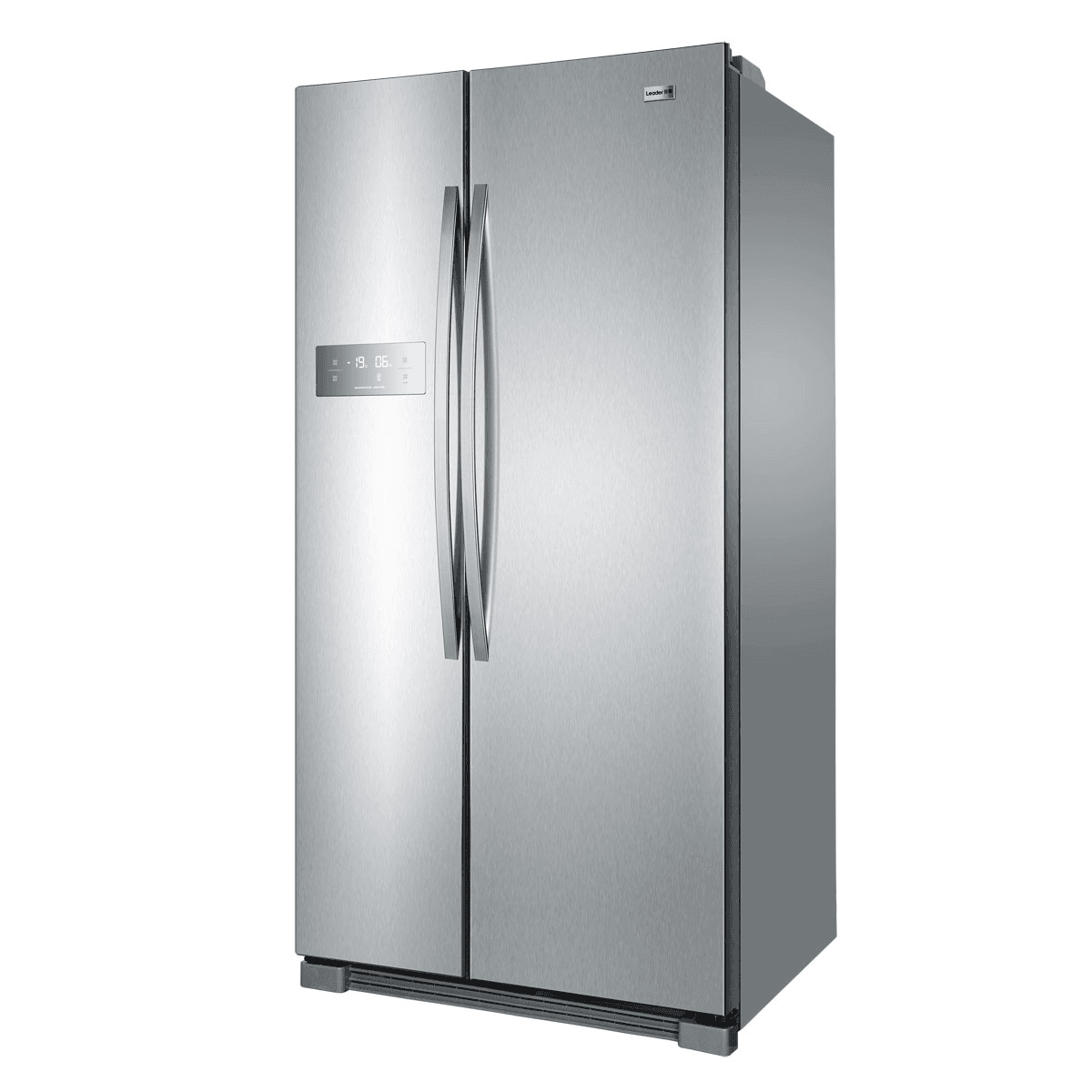
QH-8350 Прибор для холодного Китая
QH-8350 Низкотемпературный стойкий жесткий пенополиэфир для холодовой цепи (Подходит для экстремально низкотемпературной холодовой цепи)
1. Описание
Данный продукт представляет собой специальный полиэфирполиол для жесткого пенопласта, предназначенный для изоляции экстремально низкотемпературной холодовой цепи транспортировки. Он получен путем специальной полимеризации глицерина и пропиленгликоля с добавлением модификаторов низкотемпературной стойкости, антихрупких агентов и высокоэффективных теплоизоляционных добавок. Представляет собой вязкую жидкость от светло-желтого до желтого цвета, нетоксичен, обладает хорошей низкотемпературной текучестью и стабильностью при экстремально низких температурах. Может нормально вспениваться в диапазоне от -80 до 60℃. Вспененный продукт обладает отличной низкотемпературной эластичностью, не подвержен хрупкому разрушению при сверхнизких температурах и имеет превосходные теплоизоляционные характеристики. Обладает высокой адгезией к различным материалам корпусов холодовых контейнеров (стеклопластик, алюминиевые сплавы, композитные материалы) и подходит для изоляции оборудования экстремально низкотемпературной холодовой цепи, такого как глубоководные холодовые контейнеры, медицинские криотранспортные контейнеры и контейнеры для дальних перевозок замороженных продуктов.
2. Спецификация
| Показатель | Значение | Метод испытания |
| Внешний вид (25℃) | Вязкая жидкость от светло-желтого до желтого цвета, без механических примесей | Визуальный осмотр |
| Гидроксильное число (мгКОН/г) | 420-480 | ГОСТ 12008.3-2009 |
| Вязкость (25℃, мПа·с) | 1500-2200 | ГОСТ 12008.7-2010 |
| Влажность (%) | ≤0.15 | ГОСТ 12008.6-2010 |
| Кислотное число (мгКОН/г) | ≤0.10 | ГОСТ 12008.5-2010 |
| Функциональность | 4-5 | Химическое титрование |
| Плотность вспенивания (кг/м³) | 40-50 | ГОСТ 6343-2009 |
| Рабочий диапазон температур (℃) | -80~60 | Испытание в моделируемых условиях |
| Низкотемпературная эластичность (-80℃, 48ч) | Без хрупкого разрушения, хорошая эластичность | ГОСТ 8811-2015 |
| Прочность сцепления (низкая температура, кПа) | ≥180 | ГОСТ 8813-2021 |
| Теплопроводность (-40℃, Вт/(м·К)) | ≤0.022 | ГОСТ 10294-2008 |
3. Применение
Основные сценарии применения:
- Экстремально низкотемпературные холодовые контейнеры: Изоляция глубоководных холодовых контейнеров, медицинских криотранспортных контейнеров (для перевозки вакцин, биологических продуктов), обеспечивающая стабильную низкую температуру (-60~-80℃) при дальних перевозках, предотвращая порчу грузов.
- Транспортировка замороженных продуктов: Изоляция крупнотоннажных рефрижераторов и оборотных контейнеров для замороженных продуктов, снижение потерь холода, обеспечение качества замороженных продуктов, адаптация к дальним перевозкам в холодных регионах.
- Специальное холодильное оборудование: Изоляция низкотемпературных холодильных камер и криогенных резервуаров в медицинской и химической отраслях, обладающая отличной низкотемпературной стабильностью и теплоизоляционными характеристиками, отвечающая особым требованиям хранения низкотемпературной продукции.
- Расширенное применение: Изоляция низкотемпературного испытательного оборудования и холодильных трубопроводов в научно-исследовательских учреждениях, адаптация к экстремально низкотемпературным рабочим средам.
- Инструкции по применению: Смешивать со специальным низкотемпературным изоцианатом в соотношении 1:1 (25℃). Подходит для заводского изготовления холодовых контейнеров и для вспенивания на месте крупногабаритного транспортного оборудования. Для экстремально низких температур перед вспениванием охладите полиэфир до 10~15℃ для обеспечения однородности пены. Температура при проведении работ: ≥5℃, влажность <75%; время отверждения пены при низкой температуре составляет ≥48ч. Соответствует ГОСТ 50264-2013 и ГОСТ 24572-2009 (стандарты на изоляционные материалы холодовой цепи).
4. Хранение
- Условия хранения: Прохладный, вентилируемый склад (5-30℃), строго избегать замерзания при низких температурах и воздействия высоких температур, держать вдали от огня и источников тепла, оснастить средствами пожаротушения и взрывозащиты.
- Упаковка: Герметичные стальные бочки объемом 200 л, маркированные предупреждениями "Низкотемпературный стойкий", "Специально для холодовой цепи" и информацией о продукте, а также указанием требований к температурному контролю при хранении и транспортировке.
- Срок годности: 6 месяцев; при замерзании во время хранения дать естественным образом восстановиться до комнатной температуры (не нагревать и не размораживать принудительно) и проверить эксплуатационные характеристики перед использованием.
- Транспортировка: Принимать строгие меры по контролю температуры и теплоизоляции, избегать транспортировки в условиях сверхнизких или высоких температур, обращаться с осторожностью, не смешивать с окислителями и кислотами, соблюдать национальные правила перевозки.
- Прочее: При работе использовать средства защиты; при попадании на кожу немедленно промыть водой; утилизировать отходы и тару надлежащим образом во избежание загрязнения окружающей среды; хранить отдельно от обычного полиэфира для изоляции холодильников во избежание смешивания.
Interested in this product?
Get in touch for more information, pricing, or custom requirements.